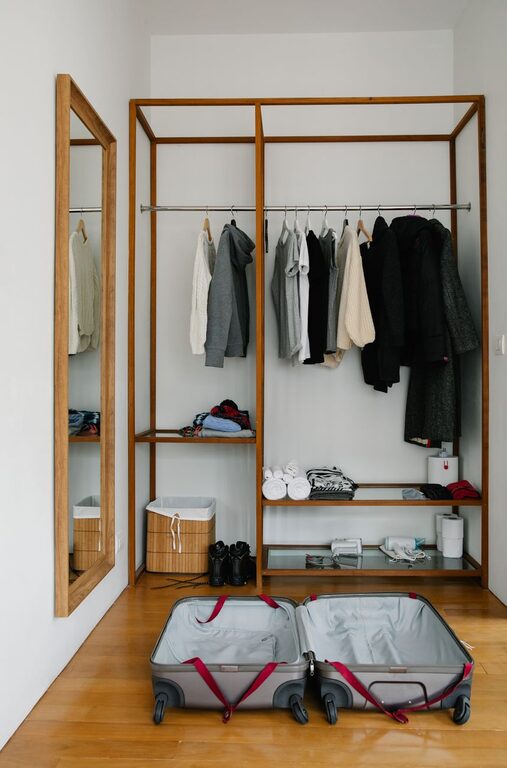
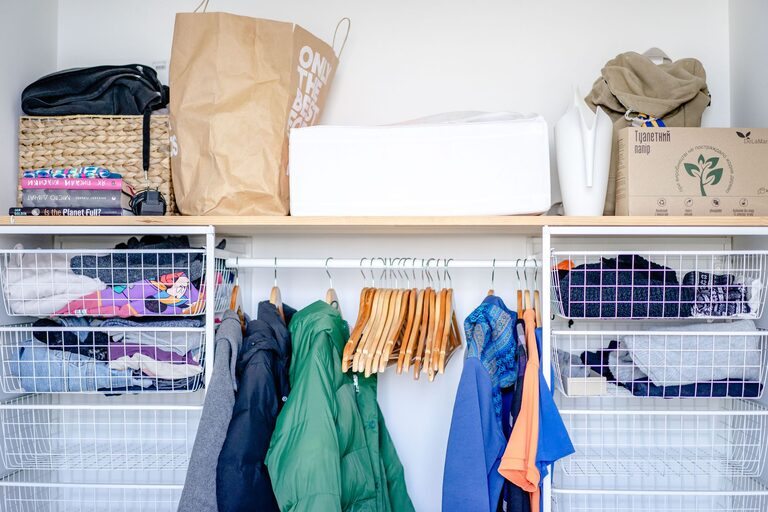
Storing seasonal clothes efficiently is key to keeping your wardrobe organized, protecting your garments, and freeing up space in your home. Whether you’re tucking away summer dresses or bulky winter coats, having a clear system can save time and effort when the seasons change. In this post, we’ll explore practical steps and clever storage solutions to help you manage your seasonal clothes seamlessly.
Why Proper Storage Matters
Clothes stored without care can lose their shape, develop unpleasant odors, or even become damaged by moisture, pests, or sunlight. Proper storage:
– Protects fabric quality
– Saves closet and drawer space
– Makes seasonal transitions easier
– Helps you see what you have, reducing unnecessary purchases
Preparing Clothes for Storage
Before packing away your seasonal wardrobe, it’s important to prepare garments properly.
Wash and Clean Everything
Never store dirty clothes. Stains or body oils can attract insects or cause discoloration. Wash or dry clean items according to care labels to prevent damage.
Repair Damage
Check for missing buttons, loose threads, or small tears. Fixing these before storage prolongs the life of your clothes.
Dry Thoroughly
Ensure clothes are completely dry to avoid mildew and mold growth during storage.
Choosing the Right Storage Containers
The type of container you use impacts how well your clothes stay protected and organized.
Fabric Storage Bags
Breathable fabric bags allow air circulation, ideal for natural fibers like cotton and wool. They prevent moisture buildup and reduce wrinkling.
Plastic Bins with Lids
Clear plastic bins are great for visibility and protecting clothes from pests and dust. Use bins made from polypropylene for breathability, or add moisture absorbers inside to reduce humidity.
Vacuum-Sealed Bags
These save a lot of space by compressing bulky items like sweaters or jackets, but they should be used carefully, as some delicate fabrics can get damaged if compressed for too long.
Hanging Garment Bags
For suits, coats, and dresses, hanging garment bags keep clothes wrinkle-free and ready to wear. Use breathable bags to avoid moisture trapping.
Organizing Your Seasonal Clothes
Good organization means items are easy to find and access next season.
Sort by Category and Frequency
Group clothes into categories like tops, bottoms, outerwear, and accessories. Consider how often you wear certain items and prioritize accessibility accordingly.
Label Containers Clearly
Use labels or tags on storage bins or bags to quickly identify their contents. This saves you from opening multiple containers to find what you need.
Color-Code if Desired
Using color-coded labels or bins can help you visually identify different seasons or clothing types at a glance.
Storing Clothes in Ideal Conditions
Where and how you store your clothes affects their longevity.
Choose a Cool, Dry, and Dark Location
Avoid basements or attics if they’re prone to dampness or heat. Closets, under beds, or high shelves in a temperature-controlled room are better options.
Use Cedar or Lavender to Repel Moths
Natural repellents like cedar blocks or lavender sachets keep moths and insects away without chemicals.
Avoid Plastic Bags for Long-Term Storage
Plastic bags can trap moisture and cause fabrics to yellow or mildew. Use them only for short-term storage or transport.
Tips for Seasonal Clothing Rotation
When it’s time to swap your wardrobe, having a routine helps maintain order year-round.
– Set a Reminder: Schedule clothing rotations at the start of each season.
– Declutter Regularly: Use storage time to assess what you no longer wear and donate or recycle.
– Air Out Clothes: Give stored clothes a freshen-up before wearing again by airing them out or lightly steaming.
Special Considerations for Delicate and Bulky Items
Delicate Fabrics
Silk, lace, and embellished garments require extra care. Store flat in acid-free tissue paper within breathable garment bags.
Bulky Items
Heavy coats or blankets benefit from vacuum-sealing or dedicated large bins to optimize space.
—
With the right preparation, containers, and storage environment, your seasonal clothes can remain in great condition and easy to access. Implementing these tips will help you maintain a tidy wardrobe and reduce the stress of seasonal changes in your closet. Happy organizing!
About the Author